Symptom guide
What is your furnace telling you?
Find what you're noticing, see what it commonly means, what you can safely check, and when a professional should take over.
Filter by type
Symptoms, meanings, and safe checks
No heat
No heat at all
- Often means
- Thermostat, power, tripped safety, ignition, or flame sensing problem.
- Safe homeowner check
- Thermostat set to heat, breaker and furnace switch on, filter not clogged, panel door closed.
- Call a professional
- If it does not restart after one reset, or locks out again.
No heat
Blows cold air
- Often means
- Burners not lighting or shutting off early; fan set to ON; possible overheating lockout.
- Safe homeowner check
- Set thermostat fan to AUTO. Replace a loaded filter.
- Call a professional
- If burners are not staying lit or air stays cool after 10 minutes.
Performance
Short cycling (on and off quickly)
- Often means
- Overheating from restricted airflow, dirty flame sensor, oversized equipment, or thermostat placement.
- Safe homeowner check
- Replace filter. Open supply registers and clear return grilles.
- Call a professional
- If cycling continues; this wears parts and can signal a safety limit tripping.
Performance
Some rooms always cold
- Often means
- Duct design or leakage, closed dampers, single-stage equipment in a two-story home, or insulation gaps.
- Safe homeowner check
- Confirm registers and dampers are open; note which rooms and when.
- Call a professional
- For airflow measurement and duct evaluation.
Performance
Higher gas bills
- Often means
- Dirty burners, restricted airflow, failing thermostat, aging equipment, or colder weather.
- Safe homeowner check
- Compare to heating degree days or last year's same month.
- Call a professional
- For a measured tune-up if usage is up without a weather reason.
Noise & smell
Banging or booming at start
- Often means
- Delayed ignition, often from dirty burners or gas pressure issues.
- Safe homeowner check
- None. Do not adjust gas components.
- Call a professional
- Promptly. Delayed ignition should be inspected by a professional.
Noise & smell
Squealing or grinding
- Often means
- Blower motor bearing or belt wear, or inducer motor wear.
- Safe homeowner check
- None beyond noting when it happens.
- Call a professional
- Soon, before a motor failure stops heating.
Noise & smell
Burning dust smell on first use
- Often means
- Normal dust burning off the heat exchanger at the start of the season.
- Safe homeowner check
- Should fade within a few hours.
- Call a professional
- If it persists, smells electrical, or smoke appears.
Safety
Rotten egg or gas odor
- Often means
- Possible gas leak.
- Safe homeowner check
- Do not investigate. Leave the home.
- Call a professional
- From outside: 911 or your gas utility emergency line.
Safety
CO alarm sounding
- Often means
- Possible carbon monoxide from a fuel-burning appliance or vehicle.
- Safe homeowner check
- Get everyone outside to fresh air.
- Call a professional
- 911. Re-enter only when responders clear the home.
Performance
Water around the furnace
- Often means
- Blocked condensate drain or trap on a high-efficiency furnace, a humidifier leak, or an AC coil drain.
- Safe homeowner check
- Turn off a humidifier if present; note where water collects.
- Call a professional
- To clear drains and check for corrosion.
Safety
Yellow or lazy flames
- Often means
- Incomplete combustion, possible venting or burner problem.
- Safe homeowner check
- Do not adjust. Ensure CO alarms are working.
- Call a professional
- Promptly for combustion and venting inspection.
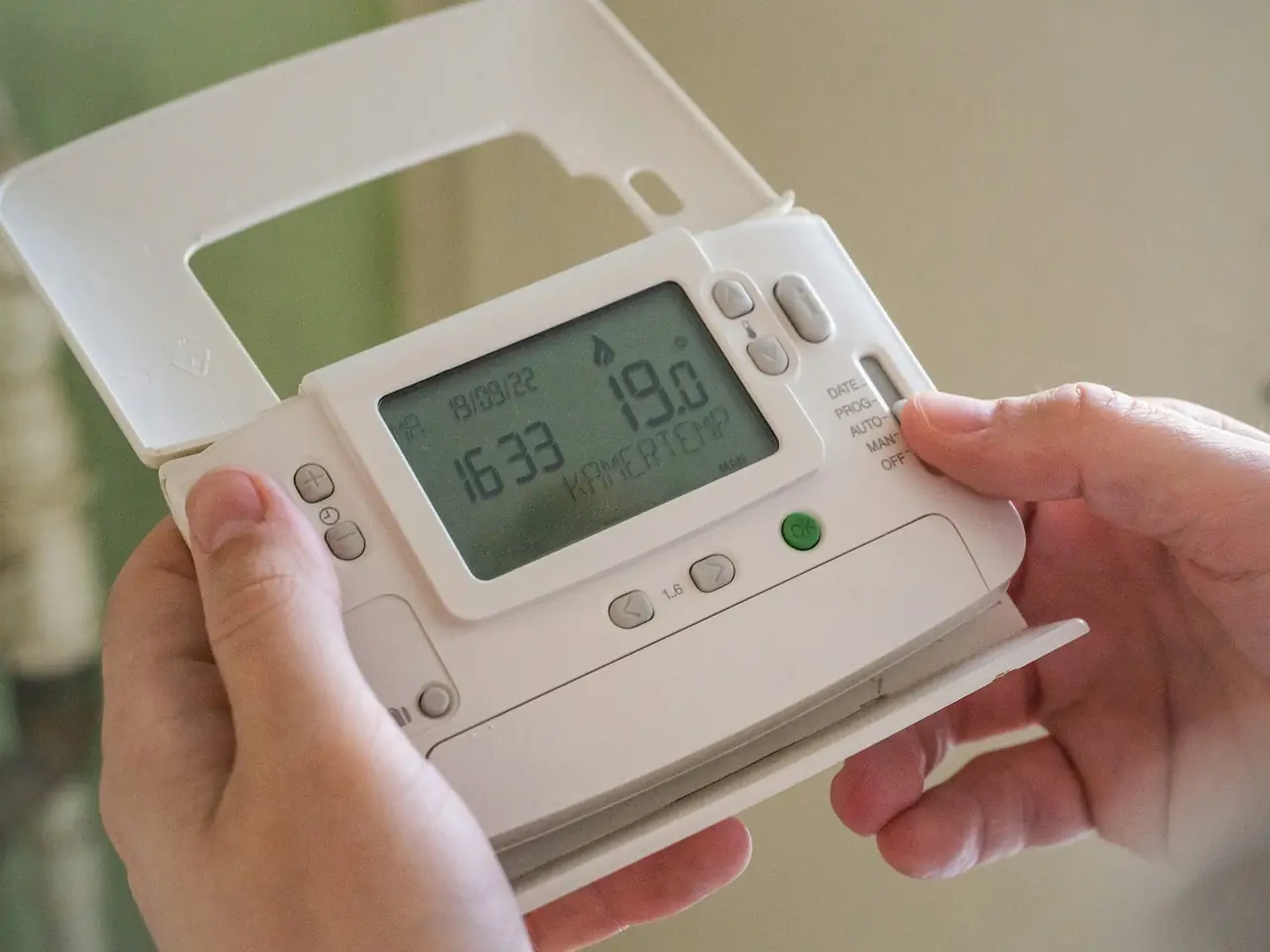
This guide is educational and cannot diagnose your specific system. Never bypass safety switches, open gas valves, or remove burner components. Next: how a repair diagnosis works or what a measured tune-up checks.
For established contractors
This could be your company's website.
Denver Furnace Repair is a VisibilityReady™ demonstration. See how the same architecture, buyer guidance, and machine-readable structure can represent an established contractor.