Cold-climate heat pumps · hybrid systems
Cold-climate heat pumps and dual-fuel systems for Front Range winters
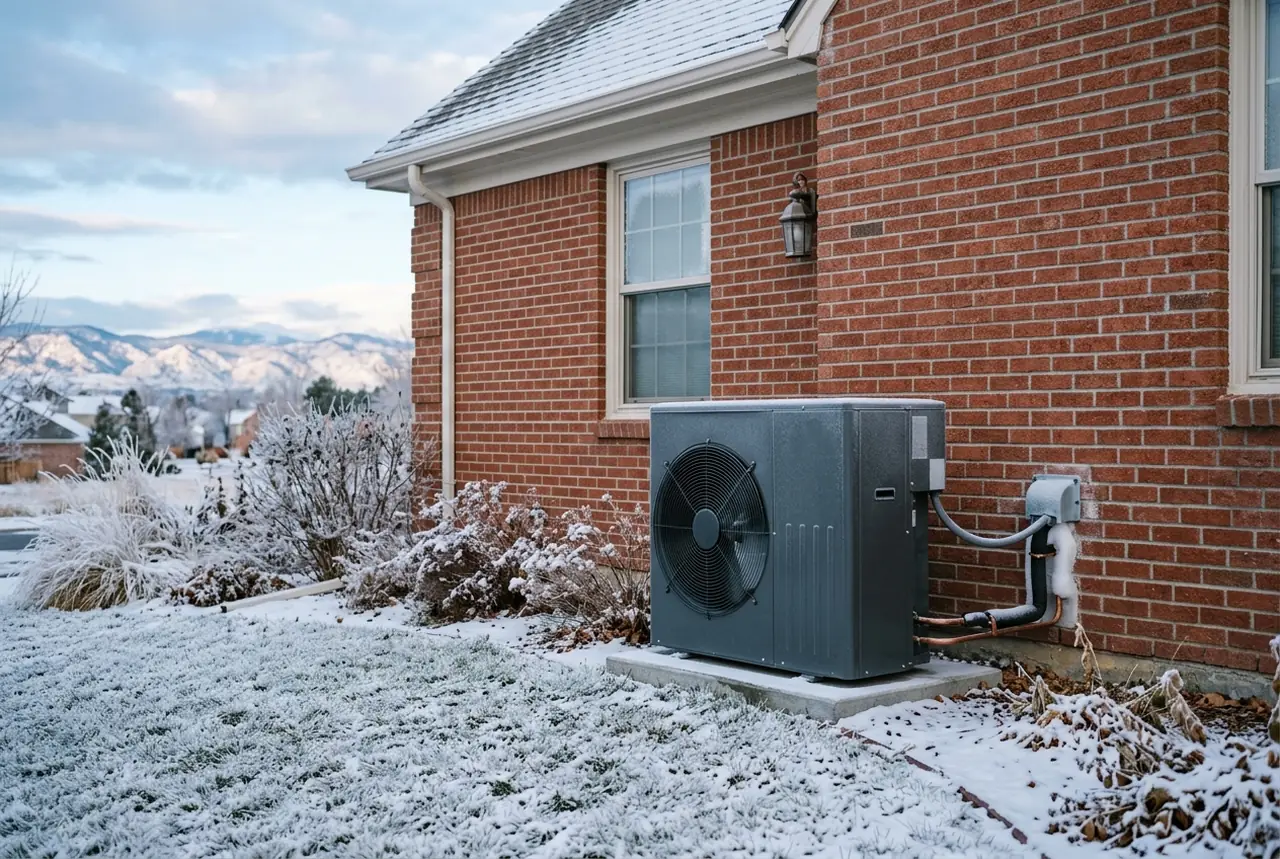
A heat pump moves heat instead of burning fuel and can also cool. In Denver, many homeowners pair one with a gas furnace backup so the system uses whichever source makes the most sense at the outdoor temperature.
What this service is, and who it's for
Modern cold-climate heat pumps can provide useful heat at temperatures well below freezing. On the coldest nights, capacity and efficiency drop, so the design question is how much of the heating load the heat pump will carry and what covers the rest.
A dual-fuel system keeps a gas furnace for the coldest hours and lets the heat pump handle mild and moderate days, which make up much of a Denver winter. An all-electric design is possible in many homes but depends on load, electrical service capacity, and backup strategy.
A strong fit when
- You need to replace an air conditioner and want efficient heating as well.
- You want to reduce gas use without giving up a backup heat source.
- Your electrical panel has capacity, or you are already planning a panel upgrade.
Another option may fit better when
- Your furnace is young and working well and you do not need cooling. Maintenance may be the best move for now. Go to the related page
- Your furnace has failed in winter and you need heat quickly. Restore heat first, then plan. Go to the related page
What the work involves
The process, step by step
- 01
Load and goals
Calculate heating and cooling loads and clarify whether the goal is comfort, lower gas use, cooling, or all three.
- 02
Electrical review
Check panel capacity and the circuit path to the outdoor unit location.
- 03
Design the balance point
Choose equipment and set the temperature where backup heat takes over, based on performance data.
- 04
Install and commission
Set refrigerant charge, line sets, defrost and drainage, and controls so both systems work together.
Price and scope
What affects cost and scope
Responsible pricing depends on what is found. These are the factors that move it.
- Equipment capacity at low temperature
- Cold-climate rated models cost more but hold capacity better in winter.
- Electrical work
- A new circuit or a panel upgrade can be a meaningful part of the scope.
- Existing ductwork
- Heat pumps deliver lower supply air temperatures and may need duct improvements to feel comfortable.
- Incentives
- Utility and government incentives change often; verify current programs and eligibility before deciding.
Realistic expectations
- Supply air feels warm rather than hot; that is normal for heat pumps.
- Outdoor units periodically run a defrost cycle in winter and need clear drainage away from walkways.
- Operating cost depends on local electric and gas rates, which change over time.
Mistakes to avoid and local considerations
Common mistakes
- Choosing a standard heat pump instead of a cold-climate model for primary heating.
- Ignoring snow and ice clearance for the outdoor unit.
- Assuming incentives apply without confirming current program rules.
Denver considerations
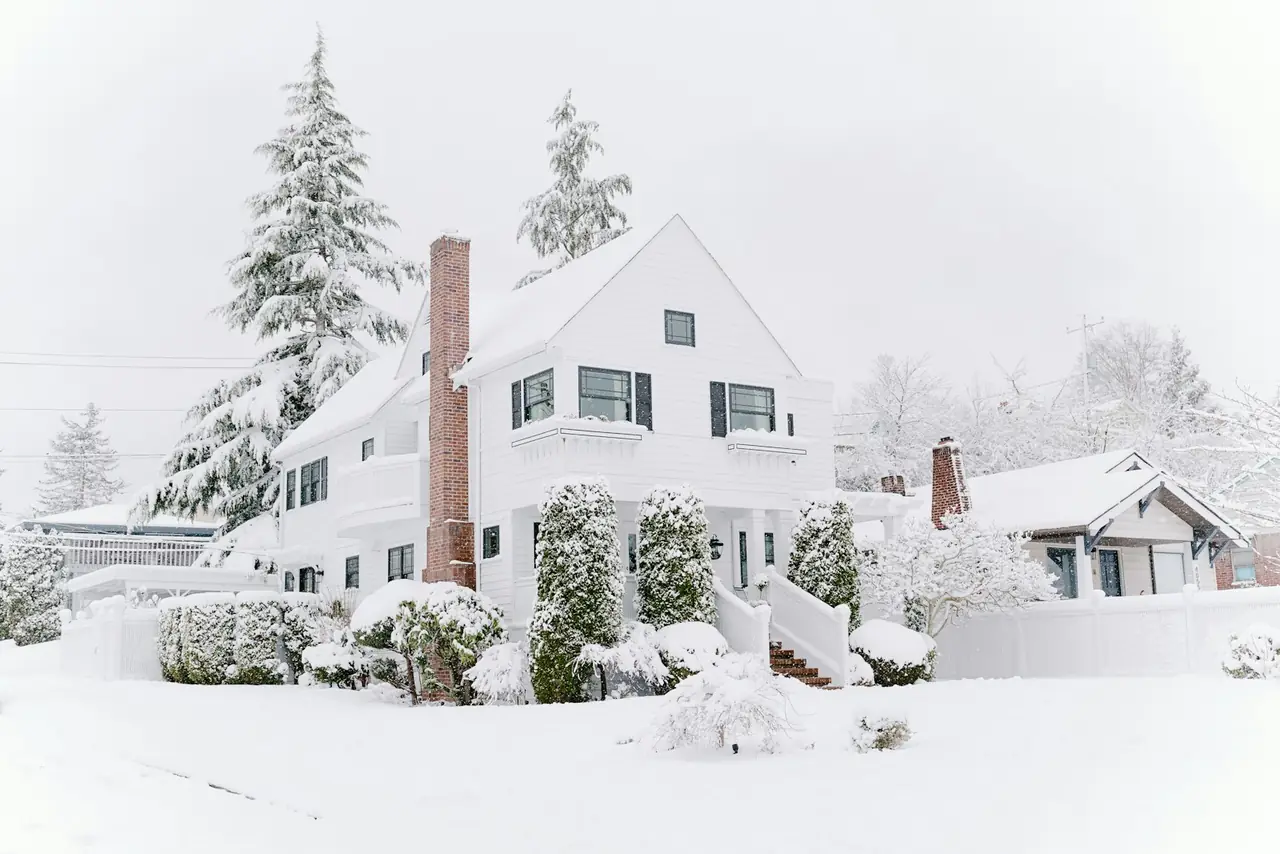
Front Range winters swing between mild sunny days and short arctic outbreaks. That pattern suits dual-fuel systems well: the heat pump covers most days while the furnace handles the deep cold. Place outdoor units where drifting snow and roof runoff will not bury or ice them.
Common questions
- Do heat pumps work in Denver winters?
- Cold-climate models are designed to keep heating at temperatures well below freezing. Most Denver designs still include backup heat for the coldest periods, either electric resistance or a gas furnace.
- Can I keep my gas furnace?
- Yes. A dual-fuel setup pairs a heat pump with your furnace, provided the furnace is in good condition and compatible with the controls.
Related guidance
For established contractors
Want your services explained this clearly?
Denver Furnace Repair is a VisibilityReady™ demonstration. See how the same architecture, buyer guidance, and machine-readable structure can represent an established contractor.