Aging system · repeated repairs · efficiency upgrade
Furnace replacement sized for your Denver home, not for the last one
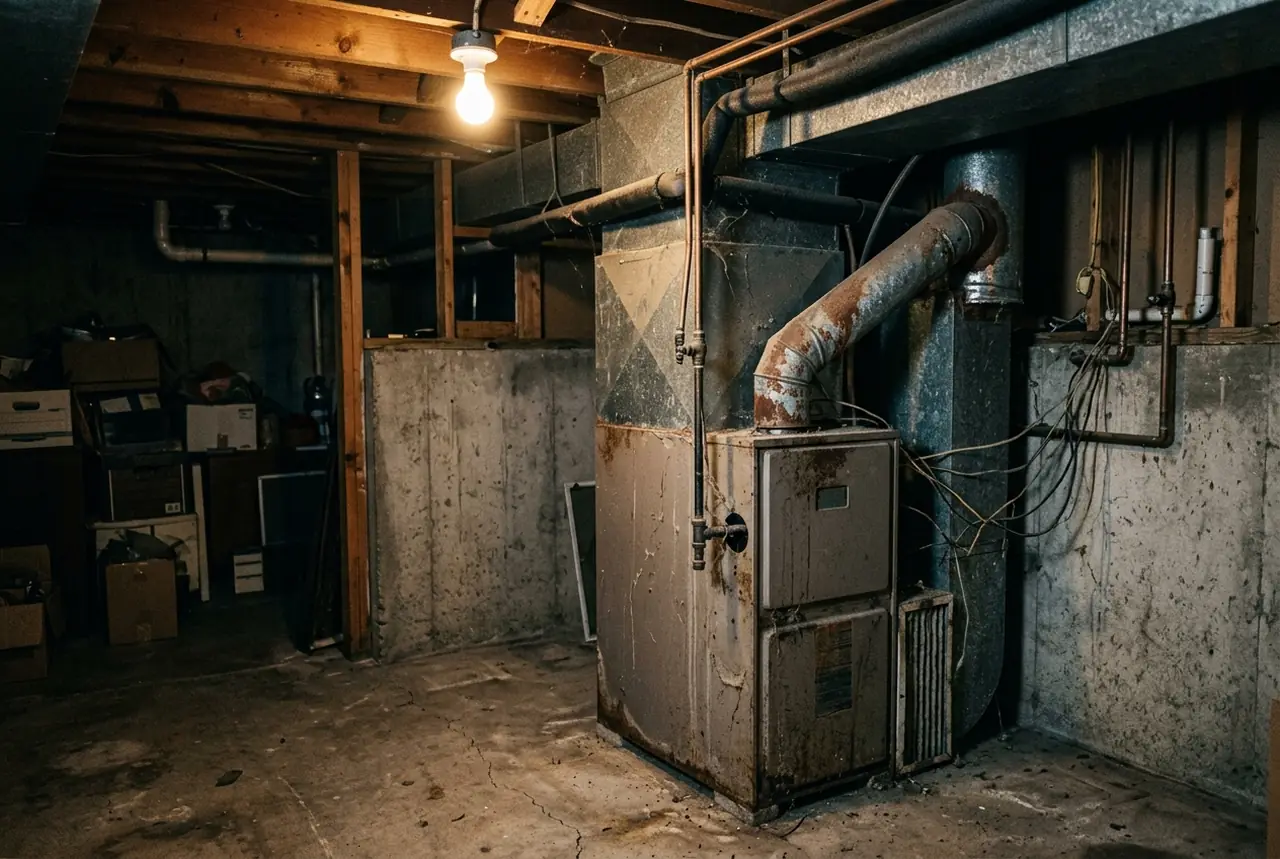
A replacement is a 15 to 20 year decision. The goal is the right size and type for the house as it exists today, installed and set up correctly for altitude, venting, and airflow.
What this service is, and who it's for
Many existing furnaces were sized by rule of thumb, or simply matched to whatever was there before. Since then, homes get new windows, added insulation, finished basements, and additions. A properly sized replacement starts with a room-by-room heat-loss calculation (often called a Manual J), not the old nameplate.
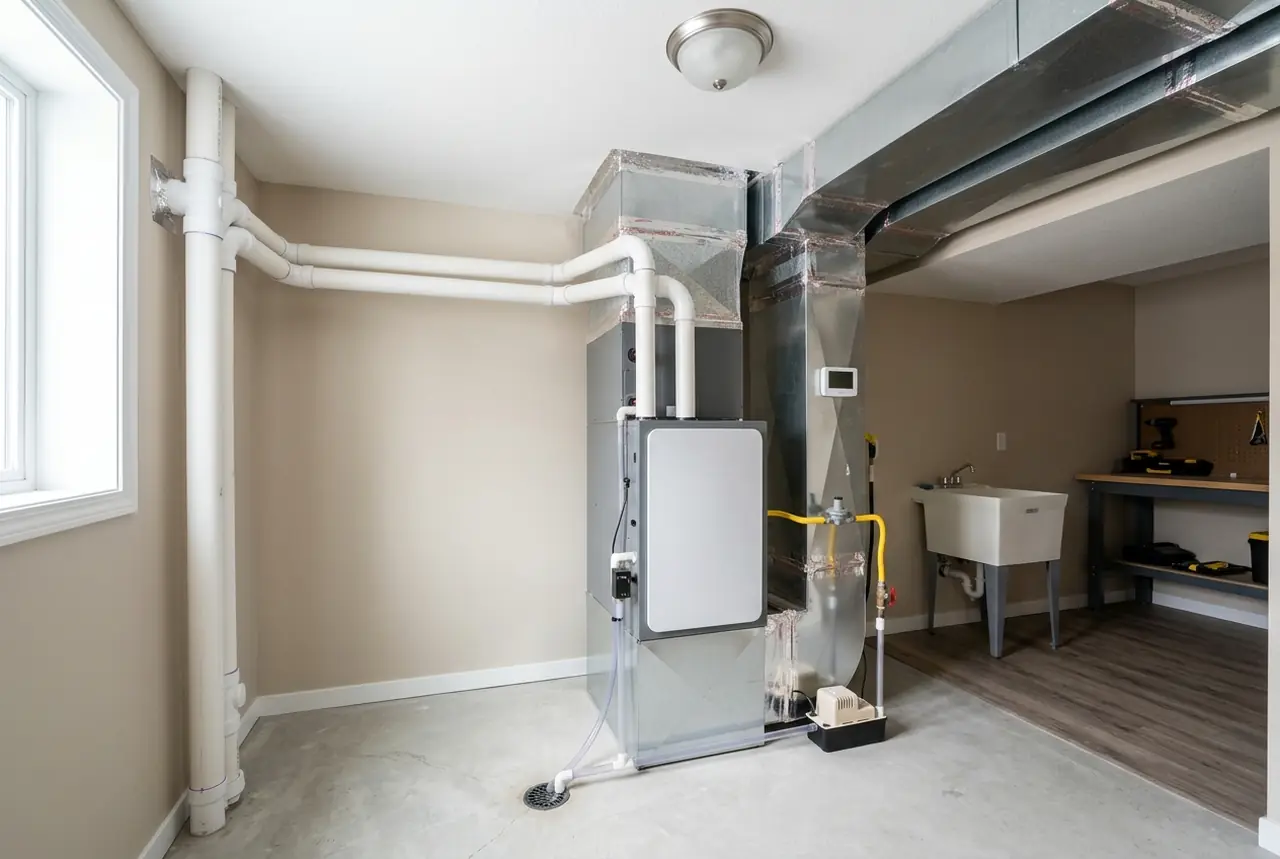
Equipment type matters too. A high-efficiency condensing furnace vents through plastic pipe and drains condensate, which can change where it can go and what the installation involves. A two-stage or variable-speed model can improve comfort in two-story homes where upstairs rooms run cold. Those choices should follow the home, not the sales sheet.
A strong fit when
- The furnace is roughly 15 to 20 years old or older and needs a significant repair.
- A heat exchanger crack or other safety-critical failure has been documented.
- Repairs have become a yearly event and comfort has declined.
- You are planning a remodel, addition, or heat pump project and want the system matched to it.
Another option may fit better when
- A single moderate part failed on a younger, well-maintained furnace. Repair is usually the better value. Go to the related page
- You want to lower gas use and add cooling. A cold-climate heat pump or dual-fuel setup may fit better. Go to the related page
What the work involves
The process, step by step
- 01
Home assessment
Measure the house, review insulation and windows, inspect ductwork and returns, and note venting and electrical conditions.
- 02
Load calculation
Size the equipment for the actual heat loss of the home at local design temperatures.
- 03
Options with tradeoffs
Compare efficiency, staging, venting changes, and duct corrections in plain terms, including when the simpler option is fine.
- 04
Permit and install
Pull required permits, remove the old unit, install with correct venting, condensate handling, gas piping, and altitude setup.
- 05
Commission and inspect
Measure gas pressure, temperature rise, static pressure, and combustion; schedule the municipal inspection where required.
Price and scope
What affects cost and scope
Responsible pricing depends on what is found. These are the factors that move it.
- Efficiency and staging
- Single-stage, two-stage, and modulating furnaces differ in cost, comfort, and operating behavior.
- Venting changes
- Moving from a metal flue to PVC venting, or orphaning a water heater on a shared chimney, can add work.
- Ductwork condition
- Undersized returns or leaky ducts can limit any new furnace and may need correction.
- Location and access
- Attic, crawlspace, and tight closet installs take more labor than open basements.
- Permits and code items
- Municipal permits, inspections, and required updates such as gas shutoffs or combustion air vary by jurisdiction.
Realistic expectations
- Most straightforward replacements are completed in one day; venting or duct changes can extend that.
- A permit inspection usually happens after installation and may require a follow-up visit.
- A new furnace will not fix duct problems on its own; poor duct design limits any equipment.
Mistakes to avoid and local considerations
Common mistakes
- Choosing by tonnage or BTU nameplate of the old furnace instead of a load calculation.
- Comparing quotes by price alone when one includes venting, permits, and duct corrections and another does not.
- Buying maximum efficiency without checking whether venting and condensate drainage are practical in the home.
Denver considerations
Denver-area winters bring cold nights but abundant sun and very dry air. Altitude affects combustion, so equipment should be configured according to the manufacturer's high-altitude instructions. Most metro municipalities require a mechanical permit and inspection for furnace replacement.
Common questions
- How long does a furnace replacement take?
- A like-for-like replacement in an accessible basement often takes a single working day. Changing venting type, relocating equipment, or correcting ductwork can add time.
- Should I buy the highest efficiency furnace?
- Not automatically. Higher efficiency reduces gas use, but the payback depends on your usage, venting practicality, and how long you will stay. A clear comparison should show the tradeoff, not just the top tier.
Related guidance
For established contractors
Want your services explained this clearly?
Denver Furnace Repair is a VisibilityReady™ demonstration. See how the same architecture, buyer guidance, and machine-readable structure can represent an established contractor.