CO alarms · gas odor · venting
Carbon monoxide and gas safety checks for fuel-burning homes
A gas furnace is safe when it is vented, adjusted, and maintained correctly. This page explains what to do in an emergency and what a professional safety check covers. It does not replace emergency services.
First: what to do in an emergency
If you smell gas: leave the house first. Do not operate switches, appliances, or phones inside. From outside, call 911 or your gas utility's emergency line. In much of the Denver metro, the gas utility is Xcel Energy.
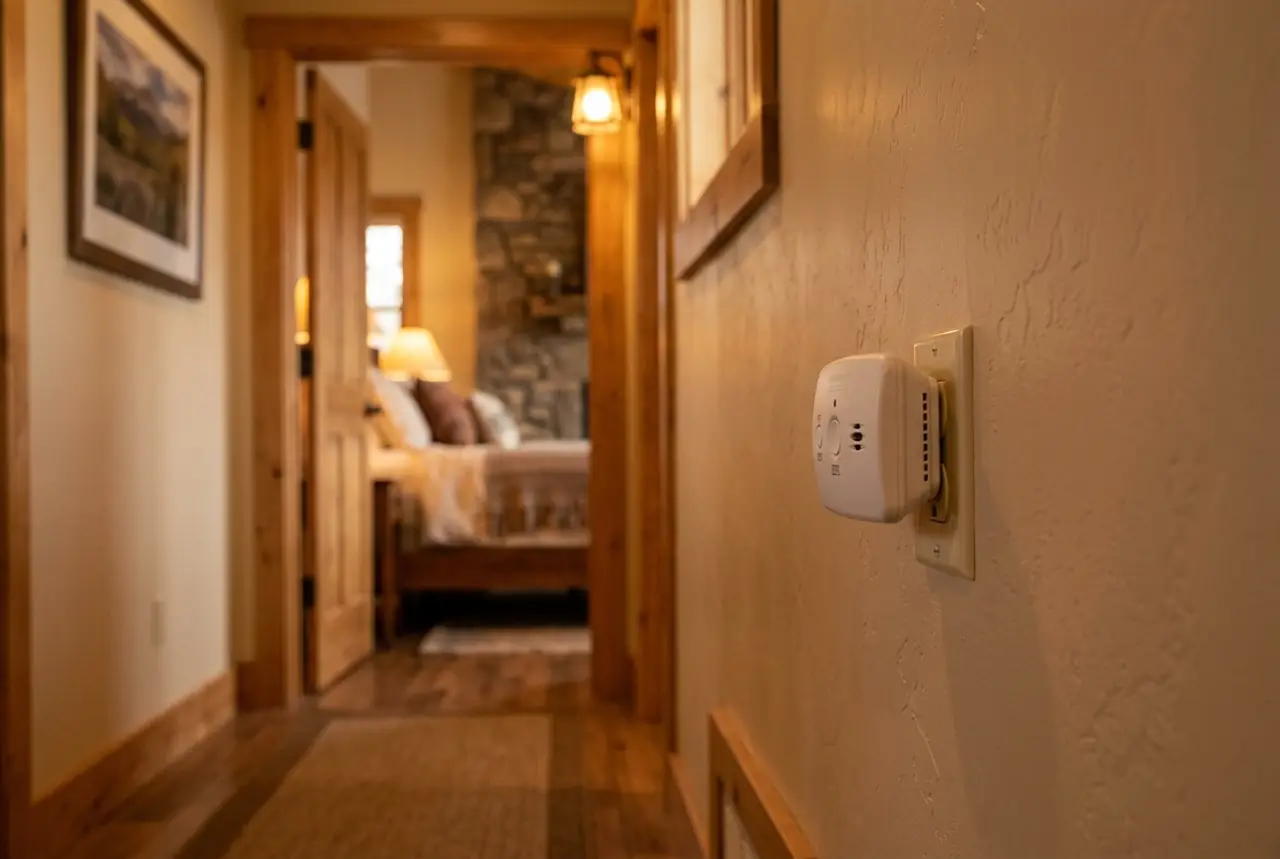
If a carbon monoxide alarm sounds: get everyone, including pets, outside into fresh air and call 911. Do not go back in until responders say it is safe. Symptoms like headache, dizziness, or nausea that improve outdoors are a reason for medical attention.
A strong fit when
- A CO alarm has sounded and the fire department or utility has cleared the home and advised an HVAC inspection.
- You see soot, rust, or water around the furnace or its vent pipe.
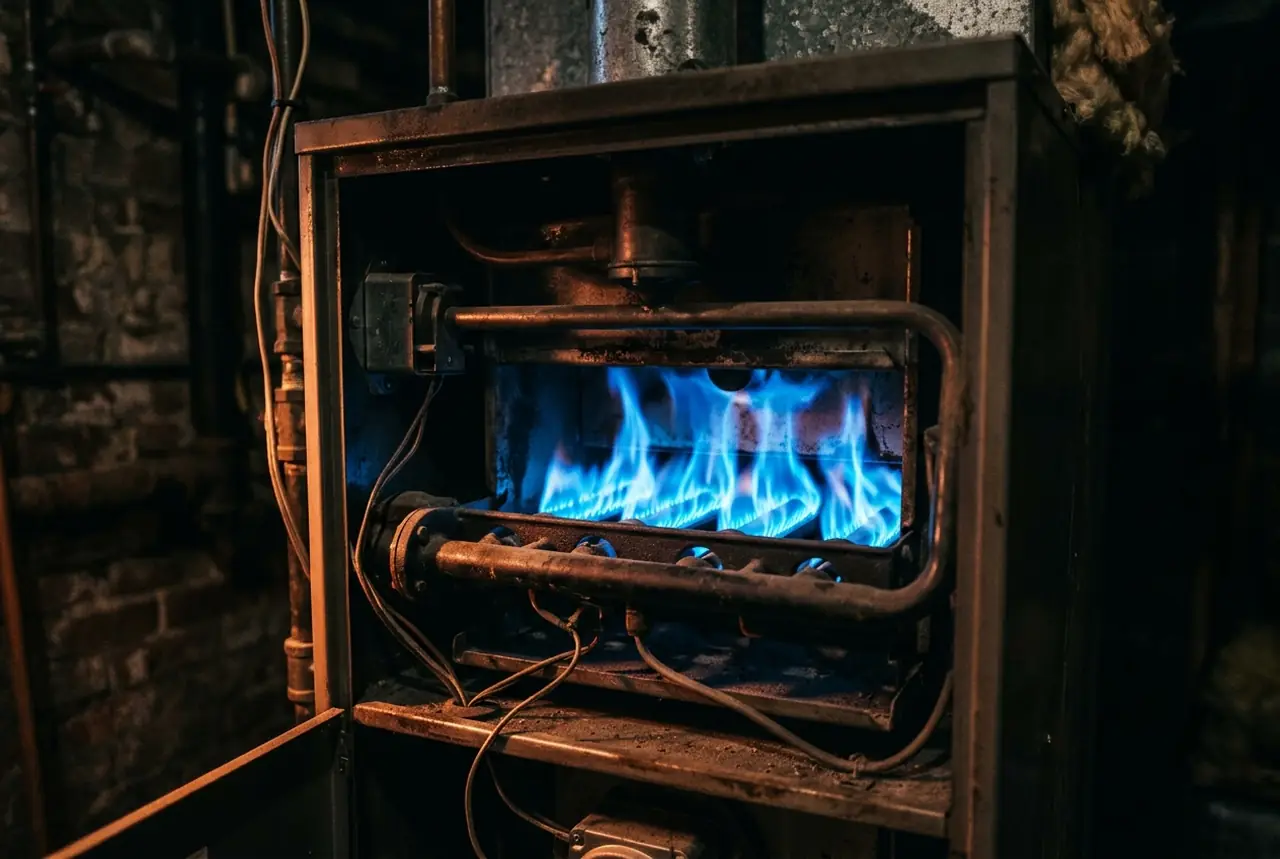
- Flames look yellow, lazy, or lift off the burners.
- You bought an older home and want a baseline on fuel-burning appliances.
Another option may fit better when
- You smell gas right now. Leave and call 911 or the gas utility first. An HVAC appointment comes after. Go to the related page
- The furnace simply will not start and there is no odor or alarm. Go to the related page
What the work involves
The process, step by step
- 01
Ambient and appliance CO check
Measure CO in living areas and at the appliance using calibrated instruments.
- 02
Venting and draft
Inspect the flue, connections, and termination; confirm proper draft under operating conditions.
- 03
Combustion analysis
Verify the burner is firing within the manufacturer's range at altitude.
- 04
Heat exchanger inspection
Inspect accessible areas for cracks, holes, or corrosion; explain what can and cannot be seen without disassembly.
- 05
Alarm placement review
Note CO alarm locations relative to sleeping areas and recommend corrections.
Price and scope
What affects cost and scope
Responsible pricing depends on what is found. These are the factors that move it.
- Number of fuel-burning appliances
- Furnaces, water heaters, boilers, fireplaces, and ranges each add inspection points.
- Venting complexity
- Shared chimneys and long vent runs take longer to evaluate.
- Findings
- A failed vent connection or cracked heat exchanger leads to repair or replacement scope.
Realistic expectations
- If an unsafe condition is found, the appliance may be shut off until it is corrected. That is a safety step, not a sales step.
- A visual heat exchanger inspection has limits; some cracks can only be confirmed with disassembly or camera inspection.
Mistakes to avoid and local considerations
Common mistakes
- Silencing or unplugging a CO alarm and staying inside.
- Placing CO alarms only in the basement, far from bedrooms.
- Storing paint, solvents, or laundry against the furnace.
Denver considerations
Colorado law requires CO alarms within 15 feet of sleeping areas in homes with fuel-burning appliances or attached garages when homes are sold, remodeled, or rented. Altitude also matters: a burner not adjusted for elevation can produce more CO than intended.
Common questions
- Where should CO alarms go?
- Within 15 feet of every sleeping area, following the alarm manufacturer's instructions. Many homes also add one on each level. Replace alarms at the end of their rated life, typically 5 to 10 years.
- Can a furnace produce CO without a crack?
- Yes. Blocked or disconnected venting, poor combustion, or backdrafting can all cause CO problems. That is why a safety check looks at venting and combustion, not only the heat exchanger.
Related guidance
For established contractors
Want your services explained this clearly?
Denver Furnace Repair is a VisibilityReady™ demonstration. See how the same architecture, buyer guidance, and machine-readable structure can represent an established contractor.